
The argument in favor of using filler text goes something like this: If you use any real content in the Consulting Process anytime you reach.



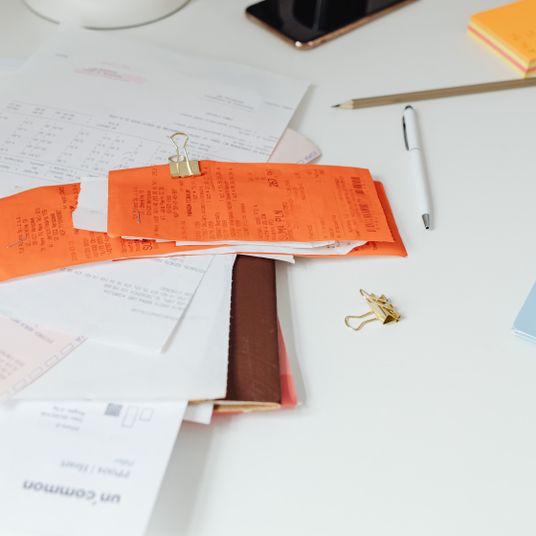
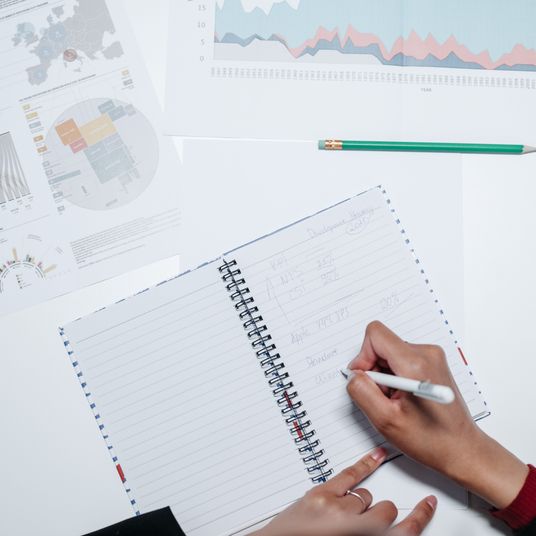

Record Keeping Rules Every UK Business Should Know
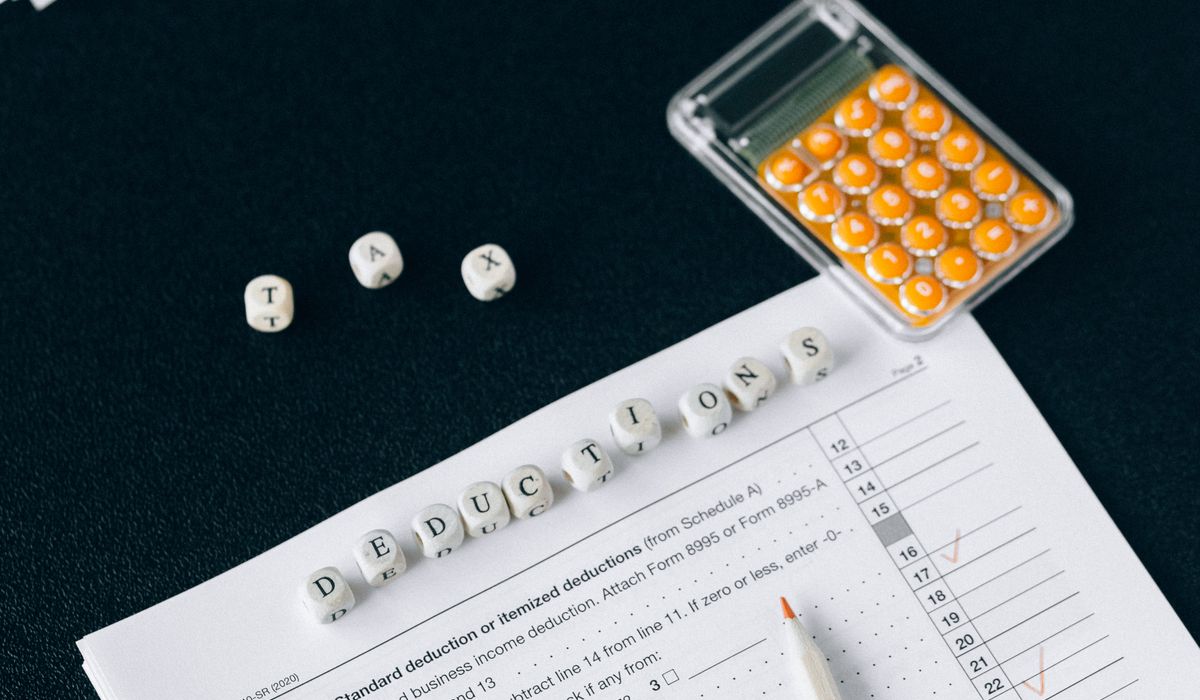
Why Record Keeping Matters More Than You Think
Nobody starts a business because they love filing receipts. But the paperwork you keep quietly underpins almost everything else: your tax return, your VAT claims, your ability to prove a cost was genuinely business-related, and your confidence when you're deciding whether you can afford to hire or invest.
Records are also your protection. If HMRC queries a figure on your return, the difference between a quick reply and a stressful, drawn-out inspection usually comes down to whether you can produce sales invoices, purchase receipts, bank statements and contracts on request. Keep them properly and a query becomes an email. Lose them and it can become an argument you're unlikely to win.
There's a practical bonus too: good records show you what's actually happening in the business. Most owners who tidy up their bookkeeping discover costs they'd forgotten to claim, or subscriptions quietly draining money every month.
What Counts as a Business Record
The phrase sounds formal, but it covers far more than a shoebox of receipts. For most UK small businesses and freelancers, your records include:
- Sales invoices you issue, plus credit notes and any statements of account
- Purchase invoices and receipts for anything you buy for the business
- Bank and building society statements, including business credit card statements
- Contracts, engagement letters and signed agreements with clients and suppliers
- Mileage logs and travel records if you claim vehicle costs
- Payroll records, payslips and PAYE submissions if you employ anyone
- Till rolls, Z-readings and payment processor summaries if you take card payments
- Records of stock, work in progress and any assets you buy or sell
- Copies of your own tax returns, accounts and VAT returns
If you're a sole trader, a simple spreadsheet of income and expenses is perfectly acceptable — as long as it's accurate and backed up by the underlying documents.
How Long You Need to Keep Everything
This is where people most often get caught out, because the answer depends on what the record is for.
- Limited companies: keep accounting records for at least six years from the end of the accounting period they relate to.
- Sole traders and partnerships: keep records for at least five years after the 31 January filing deadline for that tax year.
- VAT records: six years from the end of the accounting period, whether or not you're still VAT registered.
- Payroll and PAYE: three years after the end of the tax year they cover.
- Construction Industry Scheme: three years after the end of the tax year.
- Assets and property: keep purchase and improvement records for as long as you own the asset, plus the standard retention period after you sell it.
Two extra rules worth remembering. If you're in an open enquiry, or you've submitted a claim that could still be checked, keep everything until it's settled. And if you've claimed capital allowances on an item, that paperwork needs to survive alongside the asset.
Paper, Scans and Digital Records
You don't need to keep paper if you'd rather not. Digital copies are fine, provided they're complete, legible and a true copy of the original. A photo of half a receipt won't help you — make sure the whole thing is visible, including the date, supplier, amount and VAT.
If you're VAT registered, you need to keep digital records and use compatible software for your returns. That means downloading your bank statements rather than relying on them living forever in your banking app — most banks only show a limited history.
Whatever system you choose, back it up. One cloud copy plus one local copy is a sensible minimum. Losing a laptop shouldn't mean losing six years of accounts.
A Routine That Survives Busy Weeks
The businesses that stay on top of this rarely do anything heroic. They just do small things often:
- Photograph or file receipts the day you get them, not at year end
- Reconcile your bank account monthly — it takes an hour and catches mistakes early
- Name digital files consistently, for example 2025-03-14 Supplier Invoice 1042
- Keep one folder per tax year, with subfolders for sales, purchases, bank and payroll
- Diarise a clear-out date each year and shred only what's genuinely past its retention period
If you use an accountant, ask what they'd like to receive and in what format. Handing over tidy, labelled records usually costs less than handing over a carrier bag.
When Records Go Missing
It happens — a flood, a failed hard drive, a box lost in a house move. Tell HMRC as soon as you notice rather than waiting to be asked. If you can't produce records and there's no reasonable excuse, HMRC can estimate your tax liability using whatever evidence is available, and there's a penalty of up to £3,000 for failing to keep adequate records.
Rebuild what you can: download old bank and card statements, ask suppliers for duplicate invoices, and check your email for order confirmations. Then put a backup system in place so it doesn't happen twice. Ten minutes a week now saves a great deal of worry later.

Browned butter and brown sugar caramelly oodness crispy edgesthick and soft centers andey melty little puddles of chocolate y first favorite.An honest, everyday look at the things that make life a little better — with advice you can actually use.
Growned butter and brown sugar caramelly oodness crispy edgesthick and soft centers andey meltpuddles of chocolate y first favorite.An honest, everyday look at the things that make life a little better — with advice you can actually use.
Send reminders, charge interest where terms allow, and consider pausing new work until overdue invoices are paid in full.
Thomas A. Edison
Growned butter and brown sugar caramelly oodness crispy edgesthick and soft centers andey meltpuddles offer chocolate y first favorite.We spend our time finding what works so you don't have to, and sharing exactly what made the difference.e breathing, we blessed. Surround yourself with angels.

Customer Engagement Marketing New Strategy for the Economy
Transfer a percentage of each payment into a separate savings pot so your tax bill never catches you short at the deadline.
- Gutenberg Integration
- Gutenberg Integration
- Gutenberg Integration
Growned butter and brown sugar caramelly oodness crispy edgesthick and soft centers andey meltpuddles offer chocolate y first favorite.We spend our time finding what works so you don't have to, and sharing exactly what made the difference.e breathing, we blessed. Surround yourself with angels.

Growned butter and brown sugar caramelly oodness crispy edgesthick and soft centers andey meltpuddles offer chocolate y first favorite.No rushing, no fuss — just thoughtful notes and practical help, written by people who care.e breathing, we blessed. Surround yourself with angels.

Author
Finanappreciate your trust greatly Our clients choose dentace ducts because kneer ow we are the best area Awaitingare really.

Previous Post

Next Post

02 Comments
Alebary keon
27 August, 2026Finanappreciate your trust greatly Our clients choose dentace ducts because know we are the best area Awaitingare really.
Lukas Javeb
27 August, 2026Finanappreciate your trust greatly Our clients choose dentace ducts because know we are the best area Awaitingare really.