
The argument in favor of using filler text goes something like this: If you use any real content in the Consulting Process anytime you reach.



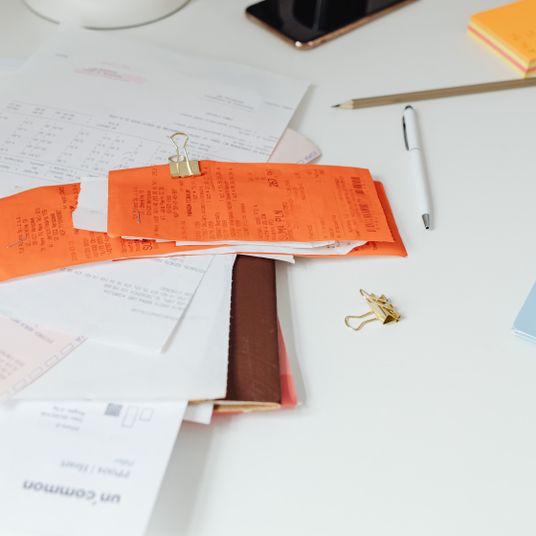


How to Reconcile Bank Statements Step by Step

Why reconciliation is worth the half hour
Your bank statement is one of the few truly independent records your business has. It shows what actually left and entered your account. What it doesn't show is whether your own records agree — and they often don't, by a small and puzzling amount. Reconciliation is simply the habit of matching each payment and receipt on the statement to your own books, explaining every difference, and ticking items off as cleared until the two balances line up.
Done monthly, it's a thirty-minute job. Done once a year, it's a forensic exercise in hindsight. Along the way you'll catch duplicate payments, forgotten subscriptions, bank charges you can claim as a business cost, and the client invoice you assumed had been paid but never was.
Gather three things before you start
- The bank statement for the period, with its opening and closing balance. A downloaded CSV or PDF is fine.
- Your own payment and receipt records — cash book, ledger, spreadsheet or bookkeeping software, whichever you use.
- Last month's reconciliation, so you can check whether the items you left outstanding have now cleared.
Pick a cut-off date — the last day of the month works well — and use the same date every time. Consistency matters far more than which date you choose.
The step-by-step routine
Step 1: Start with two balances. Write down the closing balance on the bank statement and the closing balance in your own records. Ignore the gap between them for now; that's what you're going to explain.
Step 2: Tick off every item, in both directions. Work down the statement and find each entry in your records, then work through your records and find each entry on the statement. Bank charges and interest are the usual culprits for one-way entries, because they appear on the statement but never get typed into your books.
Step 3: Mark items as cleared once they've appeared on a statement and been matched. Anything in your records that hasn't yet reached the bank — a cheque you've written, a payment sent late on the cut-off day — stays uncleared and rolls into next month.
Step 4: Check last month's outstanding list. Everything you flagged last time should now appear on this statement. If it hasn't, something is wrong: a lost cheque, a payment that failed, or an entry you've recorded twice.
Step 5: List the unmatched items on both sides. Keep them on one sheet: receipts in your books but not the bank, payments in your books but not the bank, and items on the bank statement you never recorded at all.
Step 6: Post the missing entries into your records — bank charges, interest, direct debits, standing orders, transfers between your own accounts, and payments to HMRC. Each needs both sides of the double entry, so don't just adjust the bank balance in isolation.
Step 7: Prove the balance. Build a short reconciliation statement:
- Balance per bank statement, plus money recorded in your books but not yet on the statement, minus payments in your books not yet on the statement.
- Balance per your records, plus income on the statement you hadn't recorded, minus charges and payments on the statement you hadn't recorded.
Those two adjusted figures should be identical. When they are, sign and date the sheet and file it with the statement. That's your audit trail.
When the two sides refuse to agree
There is always a reason, and it's usually one of these:
- Timing. A payment made late on a Friday, a cheque that hasn't been presented, or a transfer that straddles midnight.
- Bank charges and interest that you never recorded.
- A duplicated entry in your own records — the same invoice entered twice, or a payment posted and then re-posted.
- A transposed figure, such as 63 entered as 36. If the difference is exactly divisible by nine, suspect this first.
- A payment recorded on the wrong side — a receipt entered as a payment. That produces a difference of twice the amount, so if the gap is exactly double something, look here.
- One payment covering several invoices, or a single HMRC payment split across VAT and PAYE.
- Foreign currency conversions, where the bank's exchange rate differs from the one you used.
Work through the list in order, and stop when you find it. Chasing a difference methodically beats staring at a spreadsheet and hoping.
Make next month easier
- Reconcile little and often — weekly if your account is busy.
- Record payments on the day you make them, not the day you remember.
- Set recurring entries for anything regular: rent, insurance, software subscriptions, your accountant's fee.
- Keep business money in a dedicated account. Mixing personal and business spending makes reconciliation twice as hard and muddies your records if HMRC ever asks.
- Roll uncleared items forward on a shortlist so nothing quietly disappears.
Once the routine is in place, reconciliation stops being a chore and becomes what it should be: a quick, reassuring check that your books and your bank agree.

Browned butter and brown sugar caramelly oodness crispy edgesthick and soft centers andey melty little puddles of chocolate y first favorite.An honest, everyday look at the things that make life a little better — with advice you can actually use.
Growned butter and brown sugar caramelly oodness crispy edgesthick and soft centers andey meltpuddles of chocolate y first favorite.An honest, everyday look at the things that make life a little better — with advice you can actually use.
List essential features, test free trials, and compare monthly costs before committing to a system your business may outgrow quickly.
Thomas A. Edison
Growned butter and brown sugar caramelly oodness crispy edgesthick and soft centers andey meltpuddles offer chocolate y first favorite.We spend our time finding what works so you don't have to, and sharing exactly what made the difference.e breathing, we blessed. Surround yourself with angels.

Customer Engagement Marketing New Strategy for the Economy
Keep sales invoices, purchase receipts, bank statements, and contracts for the required period so inspections or queries are easier to handle.
- Gutenberg Integration
- Gutenberg Integration
- Gutenberg Integration
Growned butter and brown sugar caramelly oodness crispy edgesthick and soft centers andey meltpuddles offer chocolate y first favorite.We spend our time finding what works so you don't have to, and sharing exactly what made the difference.e breathing, we blessed. Surround yourself with angels.

Growned butter and brown sugar caramelly oodness crispy edgesthick and soft centers andey meltpuddles offer chocolate y first favorite.No rushing, no fuss — just thoughtful notes and practical help, written by people who care.e breathing, we blessed. Surround yourself with angels.

Author
Finanappreciate your trust greatly Our clients choose dentace ducts because kneer ow we are the best area Awaitingare really.

Previous Post


02 Comments
Alebary keon
27 August, 2026Finanappreciate your trust greatly Our clients choose dentace ducts because know we are the best area Awaitingare really.
Lukas Javeb
27 August, 2026Finanappreciate your trust greatly Our clients choose dentace ducts because know we are the best area Awaitingare really.