
The argument in favor of using filler text goes something like this: If you use any real content in the Consulting Process anytime you reach.



Expense Tracking Habits for Busy Sole Traders

Why expense tracking slips when you're busy
If you're a sole trader, your business and personal life often share the same pockets, glovebox and kitchen table. A receipt for a train ticket ends up crumpled with a grocery list. A client coffee gets paid with a personal card. By the time January arrives, you're staring at a shoebox and trying to remember why you bought a printer cable in March. The fix isn't more discipline; it's simpler habits that take seconds, not hours.
Snap it, note it, forget it
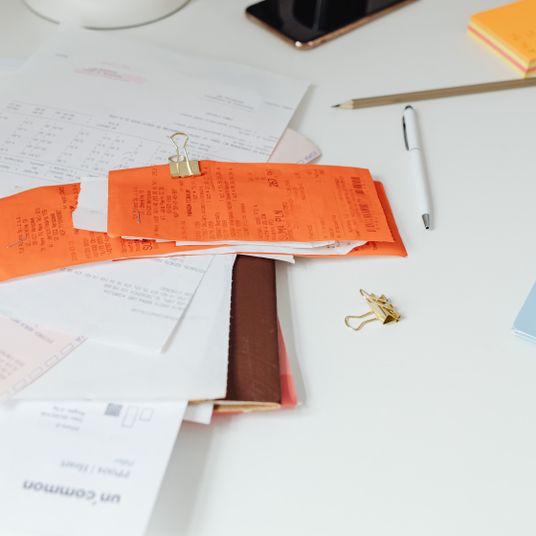
The single most effective habit is to capture every receipt the moment it lands in your hand. Don't wait until you're back at a desk. Use your phone camera, a notes app, or your accounting software's receipt scanner. The key is to do it before the receipt goes into a wallet, a van door pocket, or the washing machine.
- Snap the whole receipt. Include the date, supplier, total, and VAT breakdown if there is one. If it's a bank card slip, photograph that too. For emailed invoices, forward them to a dedicated expenses email address or save them in a folder named "Expenses 2025-26".
- Add the business purpose immediately. Three or four words is enough: "Train to Leeds – client meeting", "Printer ink – office", "Lunch – project kick-off with Sam". This is the detail that turns a random photo into a valid record.
- Keep one inbox. Whether it's a cloud folder, an email label, or an app, put everything in the same place. If you have paper receipts, snap them and bin the paper only after you've checked the image is readable.
This habit matters because HMRC expects your records to show what you bought, when, from whom, and why it was for your business. A photo alone doesn't prove business purpose. A photo plus a short note does.
Why the business purpose is the bit people skip
You can only claim expenses that are incurred wholly and exclusively for your trade. A generic "lunch" could be personal. "Lunch with potential client to discuss website project" is clearly business. The note doesn't need to be an essay, but it should answer the question a tax inspector might ask six years later.
For mixed-use items, record the business percentage. If your mobile phone bill is £40 a month and you use it 60% for work, note "Phone – 60% business". For home internet, "Broadband – 40% business". For a car, keep a mileage log rather than trying to guess at the end of the year. If you use a room at home as an office, note the hours and the proportion of household bills you're claiming.
Some expenses need extra care. Client entertaining is generally not allowable for tax, but staff entertaining often is. If you're unsure, write down the who, what and why, and let your accountant decide. It's much easier than trying to reconstruct a conversation from a bank statement.
A ten-minute monthly review
Set a repeating reminder for the first working day of each month. Open your expenses folder and your bank feed side by side. Match receipts to transactions. Ask yourself: is anything missing? Did any personal spending slip into the business account? Did any business spending come out of your personal account? Add those to the records now, while the memory is fresh.
Then review your categories. A quick scan will show if something is sitting in the wrong place. Common categories for sole traders include:
- Office supplies and stationery
- Equipment and tools
- Travel and accommodation
- Motor expenses or mileage
- Software and subscriptions
- Professional fees
- Marketing and advertising
- Use of home
- Phone and internet
- Bank charges
Ten minutes a month prevents ten hours in January. It also helps you spot duplicate subscriptions, forgotten direct debits, and price rises you meant to challenge.
Choose categories that map to your tax return
HMRC doesn't force you to use a particular set of categories for sole trader expenses, but your headings should line up cleanly with the boxes on Self Assessment. Keep them broad enough to be useful and specific enough to show trends. Ten to fifteen categories is plenty. If you have forty, you'll spend more time deciding where things go than learning from the numbers.
If you're VAT registered, note VAT separately so you can reclaim it correctly. If you use the cash basis, record expenses when the money actually leaves your account. If you use traditional accounting, record them when you receive the invoice. Pick one method and stick to it. Consistency makes your year-end figures reliable and your accountant's job faster.
Keep it running when work gets busy
There will be weeks when you're flat out and the last thing you want to do is photograph a receipt. Lower the bar rather than abandoning the habit. If you can't snap and note, email yourself a one-line reminder: "Receipt for printer ink – business – in van". Later, attach the photo. If you can't do that, put the receipt in a dedicated envelope in your bag and process it on Friday. The goal is to avoid a shoebox of mystery paper.
At the end of each quarter, export a simple summary: total per category, plus the receipts. Give it to your accountant or use it to fill in your tax return. Keep your records for at least five years after the 31 January deadline. Good habits now mean fewer panicked phone calls later.
Expense tracking isn't about being perfect. It's about making the next step small enough that you actually do it. Snap, note, review. Repeat. Your future self, staring at a tax return, will thank you.

Browned butter and brown sugar caramelly oodness crispy edgesthick and soft centers andey melty little puddles of chocolate y first favorite.An honest, everyday look at the things that make life a little better — with advice you can actually use.
Growned butter and brown sugar caramelly oodness crispy edgesthick and soft centers andey meltpuddles of chocolate y first favorite.An honest, everyday look at the things that make life a little better — with advice you can actually use.
Post adjustments, reconcile accounts, review debtors and creditors, and archive records so next year starts with clean figures.
Thomas A. Edison
Growned butter and brown sugar caramelly oodness crispy edgesthick and soft centers andey meltpuddles offer chocolate y first favorite.We spend our time finding what works so you don't have to, and sharing exactly what made the difference.e breathing, we blessed. Surround yourself with angels.

Customer Engagement Marketing New Strategy for the Economy
Gather income records, expense receipts, pension contributions, and previous returns carefully before starting your self assessment form online.
- Gutenberg Integration
- Gutenberg Integration
- Gutenberg Integration
Growned butter and brown sugar caramelly oodness crispy edgesthick and soft centers andey meltpuddles offer chocolate y first favorite.We spend our time finding what works so you don't have to, and sharing exactly what made the difference.e breathing, we blessed. Surround yourself with angels.

Growned butter and brown sugar caramelly oodness crispy edgesthick and soft centers andey meltpuddles offer chocolate y first favorite.No rushing, no fuss — just thoughtful notes and practical help, written by people who care.e breathing, we blessed. Surround yourself with angels.

Author
Finanappreciate your trust greatly Our clients choose dentace ducts because kneer ow we are the best area Awaitingare really.

Previous Post


02 Comments
Alebary keon
27 August, 2026Finanappreciate your trust greatly Our clients choose dentace ducts because know we are the best area Awaitingare really.
Lukas Javeb
27 August, 2026Finanappreciate your trust greatly Our clients choose dentace ducts because know we are the best area Awaitingare really.