
The argument in favor of using filler text goes something like this: If you use any real content in the Consulting Process anytime you reach.




How to Separate Business and Personal Finances

Why mixing money is the mistake that costs you most
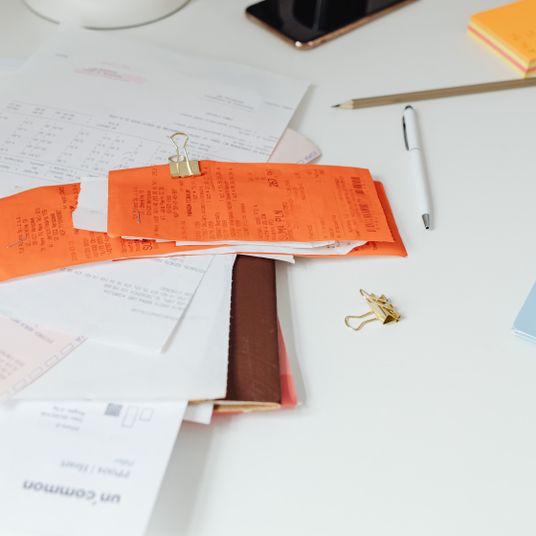
Almost every freelancer and small business owner starts out the same way: one current account, one card, and a vague hope that you will remember which transactions were business and which were the weekly shop. It works for a month or two. Then it quietly turns into a mess that costs you hours, and sometimes real money.
When business and personal spending share an account, you lose the ability to answer simple questions. Did you actually make a profit last quarter, or did you just spend less on yourself? How much of that £4,000 balance belongs to HMRC for tax you have already collected? What was that £87 payment in March for?
There is a legal point too. If you trade through a limited company, the money in the company account is not yours. It belongs to the company. Spending it on personal things without recording it properly can create a director's loan account balance, which may trigger a tax charge. Even as a sole trader, where there is no legal separation between you and the business, HMRC still expects your records to show business income and expenses clearly, and mixed transactions make that far harder to prove.
Open a dedicated business account
As a sole trader you are not legally required to have a separate business account, though it is one of the best habits you can build. As a limited company, you need one, and the account should be in the company's name. In practice, the difference it makes is enormous.
- Look for a bank feed. Choose an account that connects to your accounting software automatically, so transactions land in your books without you typing them.
- Check the free banking period. Many business accounts offer 12 to 18 months free, which is plenty of time to see whether the account suits you.
- Get a separate card. A debit card attached to the business account, in your name, is the single most useful tool you will have.
- Consider a second pot. Some providers let you create savings spaces inside the account, which is ideal for stashing tax.
Do not simply open a second personal account and call it business. Banks ask questions, and the paper trail matters if you ever need to show your records to a lender or to HMRC.
Use one card for business costs, and nothing else
Once the account is open, make a rule and stick to it: the business card pays for business things only. No supermarket shops, no petrol for the family car, no holiday flights. If a purchase is genuinely mixed, such as a mobile phone bill that covers both work and personal use, pay it in full from the business account and then record the personal proportion as drawings or as a repayment.
If you do have to use personal money for a business cost, treat it as a proper reimbursement rather than ignoring it. Keep the receipt, note the date and amount, and transfer the money back from the business account with a clear reference. That way your records show a legitimate expense instead of a mystery payment.
Pay yourself properly
Owner drawings confuse more records than almost anything else. The fix is simple: decide on a regular payday, weekly or monthly, and move a set amount from the business account to your personal account.
- Sole traders take drawings. Transfer the money with the reference "drawings" and record it, so your accounts show what you have taken out of the business over the year.
- Limited company directors usually take a salary through PAYE, plus dividends, and these need to be recorded correctly. Your accountant can set the amounts to keep things tax-efficient.
- Keep a buffer. Before you pay yourself, make sure the business has enough left to cover upcoming bills and tax.
The golden rule is that personal spending should never happen directly from the business account. If it does, you are borrowing from the business, not paying yourself, and that needs recording as such.
Set aside tax money as you go
Tax is the bill that catches people out when everything is mixed together. Open a separate savings pot and move a percentage of every payment you receive into it. For many sole traders, 20 to 30 per cent of income is a sensible starting point, depending on your profit and whether you are registered for VAT. If you are VAT registered, keep the VAT element separate entirely, because that money was never yours.
A tax pot turns a frightening January bill into a transfer you barely notice. It also stops you from spending money you will need later.
Build a simple monthly routine
Separation works best when it is paired with a short, regular habit. Once a week, spend ten minutes photographing receipts and filing them. Once a month, sit down for half an hour and reconcile the business account, check your profit so far, transfer your drawings, and top up the tax pot.
Keep your records for at least six years, and store them digitally so you are never hunting through a shoebox. If your records are clean and separated, your Self Assessment, VAT returns and any conversation with an accountant become straightforward rather than painful.
You do not need complicated systems. One business account, one card, a clear payday, and a tax pot will do more for your peace of mind than any piece of software.

Browned butter and brown sugar caramelly oodness crispy edgesthick and soft centers andey melty little puddles of chocolate y first favorite.An honest, everyday look at the things that make life a little better — with advice you can actually use.
Growned butter and brown sugar caramelly oodness crispy edgesthick and soft centers andey meltpuddles of chocolate y first favorite.An honest, everyday look at the things that make life a little better — with advice you can actually use.
Check which costs relate directly to your work, keep dated receipts, and avoid claiming personal spending that could raise questions later.
Thomas A. Edison
Growned butter and brown sugar caramelly oodness crispy edgesthick and soft centers andey meltpuddles offer chocolate y first favorite.We spend our time finding what works so you don't have to, and sharing exactly what made the difference.e breathing, we blessed. Surround yourself with angels.

Customer Engagement Marketing New Strategy for the Economy
Base essential spending on your lowest earning month, build a buffer, and update your plan as income changes through the year.
- Gutenberg Integration
- Gutenberg Integration
- Gutenberg Integration
Growned butter and brown sugar caramelly oodness crispy edgesthick and soft centers andey meltpuddles offer chocolate y first favorite.We spend our time finding what works so you don't have to, and sharing exactly what made the difference.e breathing, we blessed. Surround yourself with angels.

Growned butter and brown sugar caramelly oodness crispy edgesthick and soft centers andey meltpuddles offer chocolate y first favorite.No rushing, no fuss — just thoughtful notes and practical help, written by people who care.e breathing, we blessed. Surround yourself with angels.

Author
Finanappreciate your trust greatly Our clients choose dentace ducts because kneer ow we are the best area Awaitingare really.

Previous Post


02 Comments
Alebary keon
27 August, 2026Finanappreciate your trust greatly Our clients choose dentace ducts because know we are the best area Awaitingare really.
Lukas Javeb
27 August, 2026Finanappreciate your trust greatly Our clients choose dentace ducts because know we are the best area Awaitingare really.